





An Oil for All Seasons (Engine Oil Selection)
January 17, 2021
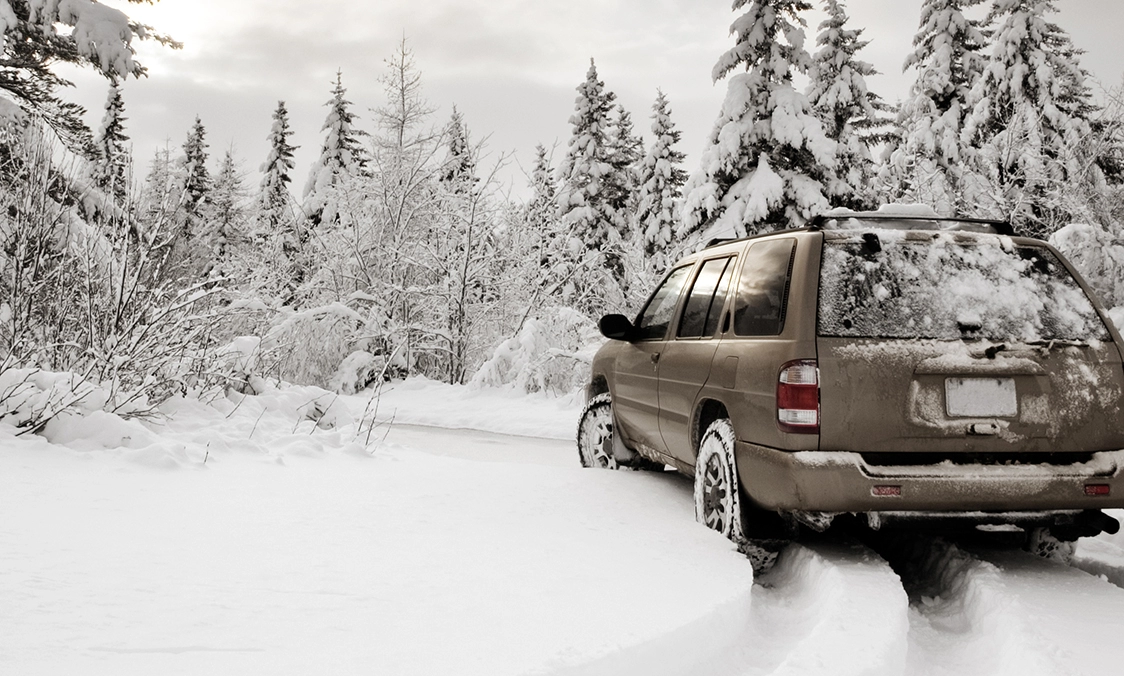
You swap your winter boots for flip-flops in the summer. Why not change your winter engine oil for summer, hot-weather oil? While it may seem like it makes sense, there's some good news. Most drivers don't have to, and here's why.
Engine oil can be made in different thicknesses. That thickness is called viscosity, how easily it flows. Now, it makes sense that the hotter it gets, oil gets a little thinner and doesn't lubricate as well. So if you used a thicker oil in the summer, it's logical that it would protect better in the hotter weather.
While there was a time when oils could be only made in one viscosity, times have changed. Using an ingenious formula, oil can now be created that changes its viscosity (called "multi-viscosity") as the temperature rises and falls. It self-adjusts to match the conditions. Now that's what I call a great invention.
In most temperate climates, you don't have to swap out the type of oil you use in your vehicle each season. There are exceptions in extreme climates, but your service advisor can advise you on that. Your vehicle's owner's manual recommends the proper viscosity oil to use.
Remember that even though you may not have to switch to a different type of oil, you DO have to CHANGE the oil at certain intervals. That's because oil eventually breaks down and picks up contaminants, and if you have old, dirty oil in your engine, it can cause damaging friction and heat. Regular maintenance at your vehicle service facility will ensure that your vehicle is running like a well-oiled machine.
Sterling Tire & Auto
34701 Van Dyke Rd
Sterling Heights, Michigan 48312
586-264-7775
Need Service?
More articles from Sterling Tire & Auto
Leaking Oil Isn’t Normal: When a Valve Cover Gasket Needs Replacing
October 4, 2026
Lets say you discover a little oil leak in your vehicle and you think, Its small. Its no big deal. Remember that no oil leak is ever normal, and it might be a sign that your valve cover gasket is failing. That gasket is what seals the top of your engine. It keeps oil inside while your engine ... More
Smooth Operator
September 27, 2026
Were used to bringing a vehicle to a stop and hardly noticing the engines even running when were sitting still. But sometimes you might notice it running rough when youre idling. Your vehicle is shaking, vibrating and making sputtering noises. You may even notice the tachometer on your instrum... More
Keep Cool: Why Radiator Hoses Matter
September 20, 2026
If theres one thing you want to make sure is going on under your vehicles hood, its that your engine doesnt get too hot. Heat is an engines worst enemy, and it can result in very expensive repairs, even leave you stranded in a tough spot. One vital part of your vehicle is the radiator hose, whic... More