







Michigan: What Is the Risk of High Oil Change Intervals?
July 24, 2016
Michigan residents may have heard that vehicles don't need their oil changed as often as they used to. That's true. But it's not the whole story.
Owing to improved engine technology and higher oil quality, most newer vehicles can go longer between oil changes than their older counterparts.
So what is a good time interval for oil changes? How do Michigan residents know when to change it? And why do we change it in the first place?
Oil lubricates a vehicle's engine, which protects it from friction damage. Over time the oil can collect dirt and contaminants that inhibit its performance. But dirty oil isn't the only problem for Michigan residents. What you really want to avoid is called oil sludge.
Oil sludge is caused by moisture in the oil and by hot spots in your engine that burn off oil. This sludge is a gooey gel that can clog engine passageways, which can block lubricants from reaching vital engine parts. The result can be engine wear or even engine failure.
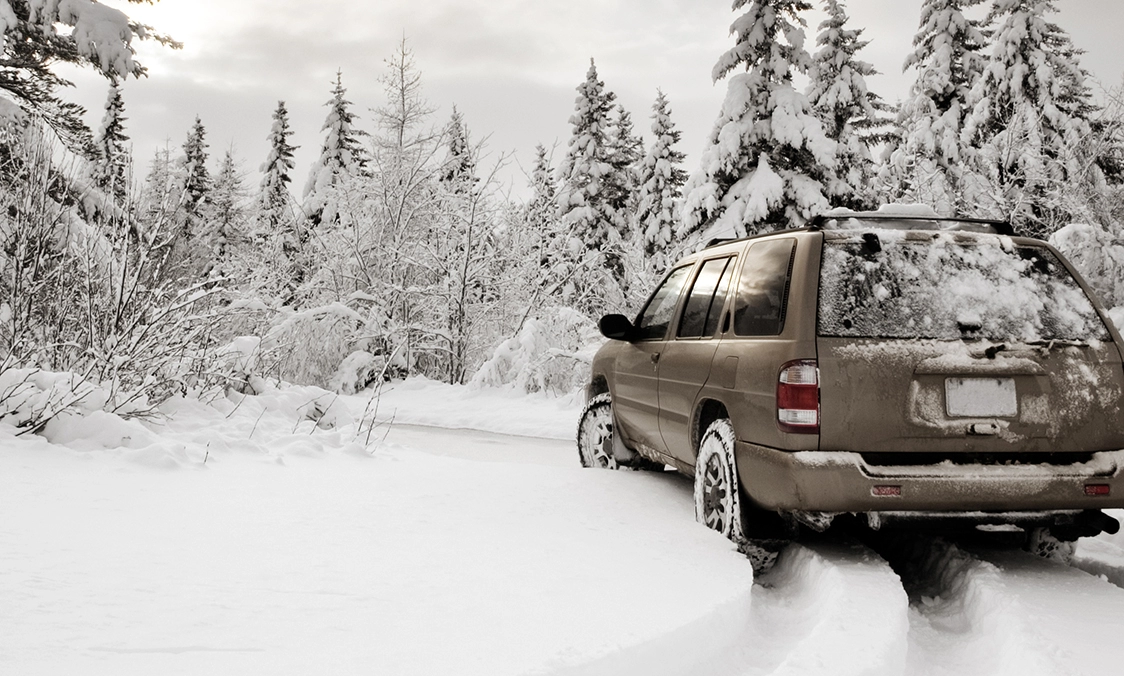
Sludge forms rapidly in an engine that is driven under what are termed “severe conditions.” A vehicle's owner's manual includes recommendations for oil change intervals under both normal and severe conditions. Severe conditions include towing a trailer, driving in polluted or dusty conditions, hauling heavy loads or using a car top carrier. Also, extremes in climate such as very hot or very cold temperatures constitute severe conditions for vehicles.
Some people may be tempted to overlook the severe conditions preventive maintenance schedule in their 's owner's manual because of the word “severe.” But consider this: the most common form of severe conditions is stop-and-go driving, rush hour commuting or only driving your vehicle on short trips around the area.
When a vehicle only makes trips under four miles/six kilometers, or under 10 miles/16 kilometers in freezing conditions, the engine doesn't get warm enough for condensation in the oil to evaporate. The result? You get oil sludge build-up. If your driving patterns are the same as any of the conditions that count as severe, you should be changing your oil more frequently under the severe conditions schedule.
The team at Sterling Tire & Auto in Sterling Heights can help you understand what type of oil to use in your vehicle and how it can affect your oil change schedule. Some vehicles are filled with synthetic or synthetic-blend oil at the factory. The owner's manual will recommend that this oil continue to be used in the vehicle, and oil change intervals will be based on this type of oil.
Also, if your vehicle uses conventional oil, but you have some of those severe driving habits we talked about, you can switch to a premium-grade oil to give your vehicle extra protection. The answer to why we change our oil is fairly simple: to protect our engines and make our vehicles last longer and run better. But the answer to how often to change our oil is more complex: it depends on our vehicle, our driving habits, where we live and what kind of oil we use.
When it comes to oil changes, a little information can go a long way to helping people save money and extend the life of their vehicles. Stay safe, and stay on the road.
Sterling Tire & Auto
34701 Van Dyke Rd
Sterling Heights, Michigan 48312
586-264-7775
Need Service?
More articles from Sterling Tire & Auto
Helping Your Engine Breathe Easier
October 11, 2026
You may have heard someone tell you its time to replace your vehicles engine air filter and thought, Its OK. Ill do it in a while. While its tempting to put that off, keep in mind that having your engine air filter replaced is one of the easiest ways to maintain your vehicles performance and ef... More
Leaking Oil Isn’t Normal: When a Valve Cover Gasket Needs Replacing
October 4, 2026
Lets say you discover a little oil leak in your vehicle and you think, Its small. Its no big deal. Remember that no oil leak is ever normal, and it might be a sign that your valve cover gasket is failing. That gasket is what seals the top of your engine. It keeps oil inside while your engine ... More
Smooth Operator
September 27, 2026
Were used to bringing a vehicle to a stop and hardly noticing the engines even running when were sitting still. But sometimes you might notice it running rough when youre idling. Your vehicle is shaking, vibrating and making sputtering noises. You may even notice the tachometer on your instrum... More